
A Historic Gathering for the OpenClaw Community
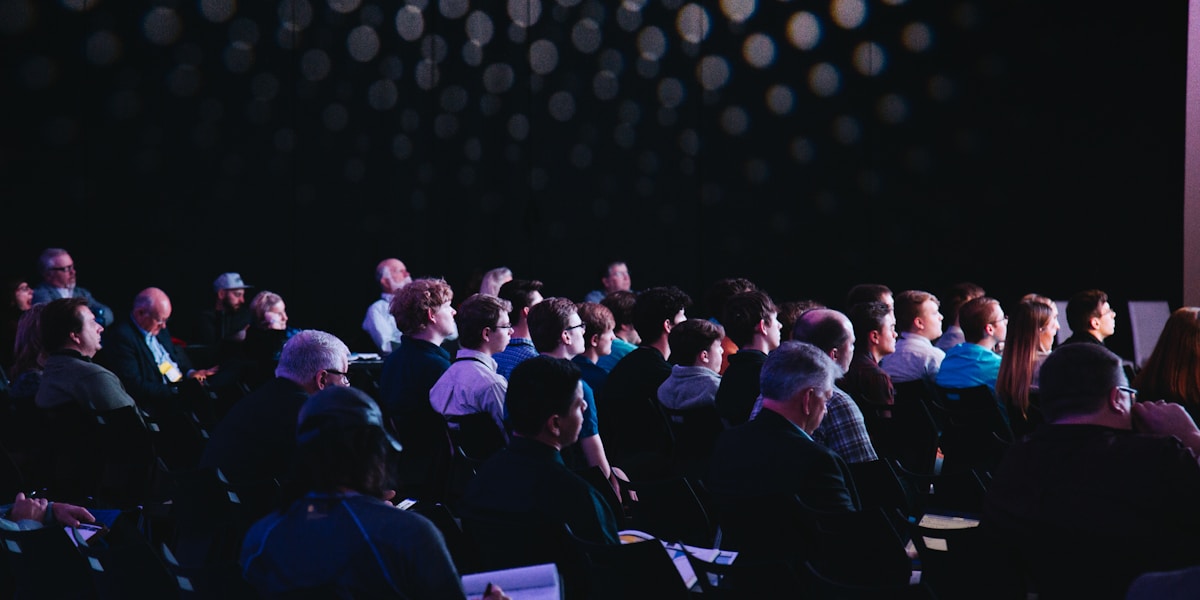
On January 15-17, 2026, the OpenClaw project reached a landmark moment: its very first dedicated developer conference, ClawCon SF, held at the historic Fort Mason Center in San Francisco. What began as a modest plan for a few hundred attendees quickly ballooned into a 1,200-person event that spanned three full days of keynotes, hands-on workshops, lightning talks, and after-hours community meetups. For a project that started as an open-source experiment in agentic AI orchestration, the turnout was nothing short of remarkable.
The OpenClaws.io Team was on the ground throughout the event, and what we witnessed was a community that has matured far beyond its scrappy origins. Developers flew in from 34 countries. Enterprise teams from Fortune 500 companies sat shoulder-to-shoulder with solo hackers who had built their first OpenClaw agent just weeks earlier. The energy was palpable from the moment registration opened on Wednesday morning.
Day One: Setting the Vision
The conference kicked off with a keynote from the OpenClaw core maintainers, who laid out the project's roadmap for the remainder of 2026 and into 2027. The headline announcement was OpenClaw Runtime v3, a ground-up rewrite of the agent execution engine that promises up to 40x throughput improvements for multi-agent workflows. The new runtime introduces a novel "claw graph" execution model that allows agents to dynamically fork, merge, and coordinate without the bottlenecks that plagued earlier versions.
Perhaps even more exciting was the unveiling of the OpenClaw Agent Registry, a curated marketplace where developers can publish, discover, and compose reusable agent modules. Think of it as npm for AI agents, complete with versioning, dependency resolution, and trust scores based on community audits. The registry launched in beta during the keynote itself, and by the end of the conference it already hosted over 300 published modules.
The afternoon sessions on Day One focused on core architecture. Talks covered everything from memory management strategies for long-running agents to advanced prompt chaining techniques that reduce token consumption by up to 60%. One standout session, titled "Beyond Chat: Building Agents That Actually Do Things," drew a standing-room-only crowd and sparked a lively debate about the boundaries between autonomous agent action and human oversight.
Day Two: Workshops and Deep Dives
Day Two was dedicated to hands-on learning. The workshop tracks were split into three difficulty levels: Hatchling (beginner), Molting (intermediate), and Full Claw (advanced). The Hatchling track walked newcomers through building their first OpenClaw agent from scratch, deploying it to a local environment, and connecting it to external APIs. By lunchtime, first-time builders were showing off agents that could autonomously manage calendar scheduling, summarize research papers, and even negotiate simple transactions on their behalf.
The Molting track dove into multi-agent orchestration patterns, covering supervisor-worker topologies, consensus mechanisms for agent disagreements, and strategies for graceful degradation when upstream LLM providers experience outages. Attendees built a collaborative document editing system powered by three specialized agents: a researcher, a writer, and an editor, all coordinating through OpenClaw's message-passing protocol.
The Full Claw track was where things got truly experimental. Advanced participants worked on extending the OpenClaw runtime itself, writing custom execution plugins, building novel memory backends, and even prototyping a peer-to-peer agent communication layer that could operate without a central orchestrator. Several of these prototypes have since been submitted as formal RFCs to the OpenClaw governance process.
Day Three: Community and the Future
The final day shifted focus from technology to people. A morning panel titled "Who Builds the Agents?" brought together developers from vastly different backgrounds, a former game designer, a climate scientist, a healthcare administrator, and a teenage competitive programmer, to discuss how OpenClaw had changed their relationship with software. The common thread was empowerment: OpenClaw had given each of them the ability to build sophisticated AI systems without needing a PhD in machine learning or a team of infrastructure engineers.
The community awards ceremony recognized outstanding contributions from the past year. The "Golden Claw" for best open-source agent went to PinchBot, a customer support agent framework that has been adopted by over 200 small businesses. The "Sharp Claw" for best developer tooling went to ClawLens, a visual debugger that lets developers step through agent decision trees in real time. And the "First Claw" award for best newcomer contribution went to a university student from Nairobi who built an agricultural advisory agent that helps smallholder farmers optimize crop rotation.
The closing keynote looked ahead to ClawCon Vienna, announced for February 2026, signaling the project's commitment to building a truly global community. The core team also announced the OpenClaw Foundation, a new nonprofit entity that will steward the project's governance, manage community funds, and ensure that OpenClaw remains open, accessible, and community-driven for the long term.
The Hallway Track
As with any great conference, some of the best moments happened outside the scheduled sessions. The "hallway track" at ClawCon SF was legendary. We watched impromptu coding sessions break out in the courtyard, saw contributors who had only ever interacted through GitHub issues finally meet face-to-face, and overheard at least a dozen conversations that started with "what if we combined your agent with mine?" The after-hours events, including a memorable boat cruise on the San Francisco Bay, cemented friendships and collaborations that will shape the OpenClaw ecosystem for years to come.
Looking Back, Looking Forward
ClawCon SF 2026 was more than a conference. It was a declaration that the OpenClaw community has arrived. The project has moved beyond the early-adopter phase and into a new era of mainstream relevance, enterprise adoption, and global reach. For those who were there, it was an unforgettable experience. For those who missed it, the full session recordings are available on the OpenClaw YouTube channel, and the workshop materials have been published to the ClawCon GitHub repository.
The OpenClaws.io Team left San Francisco with a clear conviction: the future of agentic AI is open, collaborative, and community-driven. And if ClawCon SF was any indication, that future is arriving faster than anyone expected.